

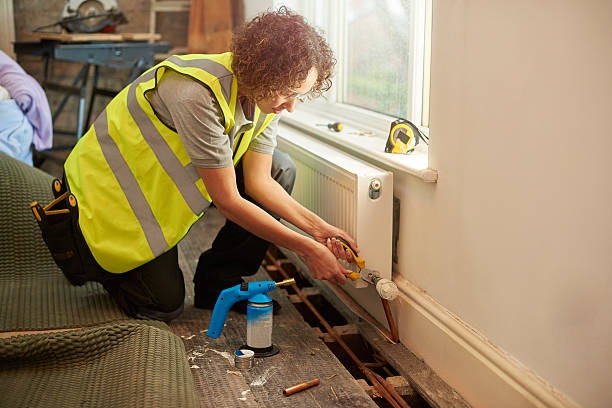
Installing a new HVAC system is a significant investment that impacts the comfort and energy efficiency of your home or business. Before your HVAC system installation begins, it is crucial to understand several important factors to ensure a smooth process and optimal performance. Proper preparation and knowledge can help you avoid common pitfalls and make informed decisions.
First, it is essential to choose the right HVAC system for your specific needs. Factors such as the size of your property, climate, insulation quality, and your heating and cooling preferences will influence the type and capacity of see here the system required. An HVAC professional can perform a load calculation to determine the proper size, preventing issues like inadequate heating or cooling and unnecessary energy consumption. Oversized or undersized units often lead to inefficiency and increased wear and tear.
Next, consider the energy efficiency ratings of the system you plan to install. Look for units with high Seasonal Energy Efficiency Ratio (SEER) and Heating Seasonal Performance Factor (HSPF) ratings. These ratings indicate how efficiently the system uses energy, which can significantly affect your utility bills over time. Although energy-efficient models may have a higher upfront cost, they often result in long-term savings and a reduced environmental footprint.
Another important aspect is the location of the HVAC components. The outdoor unit should be placed in a well-ventilated, shaded area to maximize efficiency and lifespan. Indoor units need to be positioned to ensure even air distribution throughout the space. Proper placement not only improves performance but also reduces noise levels and maintenance issues.
Before installation, clear the area where the HVAC system will be installed. Remove furniture, personal belongings, and any obstacles that might hinder the technicians’ work. This preparation allows the installation to proceed without delays and minimizes the risk of damage to your property.
It is also wise to review the warranty and maintenance plans offered by the manufacturer or installer. Understanding the terms and conditions will help you maintain the system properly and protect your investment. Regular maintenance, such as filter changes and system inspections, can prolong the life of your HVAC system and ensure it operates efficiently.
Finally, communicate clearly with your HVAC contractor. Ask questions about the installation process, timeline, and any potential disruptions. A reputable contractor will provide a detailed estimate and explain what to expect, ensuring you feel confident throughout the project.
By knowing these important things before your HVAC system installation begins, you can make well-informed choices and enjoy a comfortable, efficient indoor environment for years to come.