

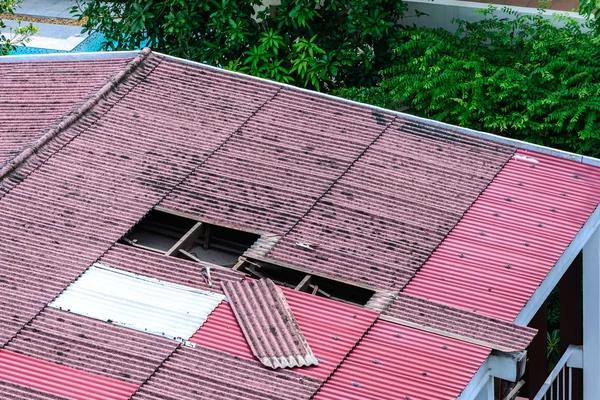
Replacing a roof offers more than just an aesthetic upgrade or structural repair; it can significantly enhance a building’s energy efficiency. An old or damaged roof often allows heat to escape during colder months and lets unwanted heat in during warmer seasons, leading to higher energy consumption for heating and cooling systems. By installing a new roof with modern materials and technologies, homeowners and businesses can reduce their energy bills while contributing to environmental sustainability.
One of the primary ways roof replacement improves energy efficiency is through better insulation. Over time, roofing materials degrade, losing their ability to insulate effectively. When a residential roof installation is replaced, contractors typically add or upgrade insulation layers beneath the shingles or tiles. Improved insulation slows down the transfer of heat between the interior and exterior of the building, maintaining a more consistent indoor temperature throughout the year. This reduces reliance on HVAC systems, which are major contributors to household energy use.
Rowlett TX roof replacement
In addition to enhanced insulation, modern roofing materials offer superior reflective properties compared to older ones. Cool roofs made from reflective coatings or light-colored materials reflect more sunlight away from the building’s surface instead of absorbing it as heat. This reflection lowers rooftop temperatures substantially during hot weather, decreasing cooling demands inside the home or office space. As a result, air conditioning units operate less frequently and consume less electricity.
Ventilation also plays an important role in maximizing energy efficiency during roof replacement projects. Proper ventilation systems allow hot air trapped in attics or upper floors to escape efficiently while drawing in cooler outside air when necessary. Effective airflow prevents excessive heat buildup under roofing structures that would otherwise increase indoor temperatures significantly. Upgrading ventilation alongside replacing roofs ensures balanced temperature regulation without overburdening mechanical cooling solutions.
Another factor influencing energy savings after roof replacement is moisture control. Older roofs may develop leaks or allow condensation that damages insulation effectiveness over time by creating damp conditions inside walls and ceilings. Moisture compromises thermal performance because wet insulation loses its ability to trap heat properly and encourages mold growth that affects indoor air quality negatively as well as structural integrity indirectly impacting long-term efficiency goals.
Choosing sustainable roofing options such as metal panels with recycled content or solar shingles further enhances overall energy benefits beyond standard replacements alone by integrating renewable technology directly into buildings’ exteriors for power generation combined with improved thermal performance.
In summary, replacing an aging roof provides multiple avenues for improving a property’s energy efficiency through better insulation, reflective surfaces, optimized ventilation, moisture management, and advanced sustainable materials integration-all contributing toward reduced utility costs and environmental impact while increasing comfort indoors year-round.
Fast Bid Roofing
Rowlett, TX 75088
972-737-5334