

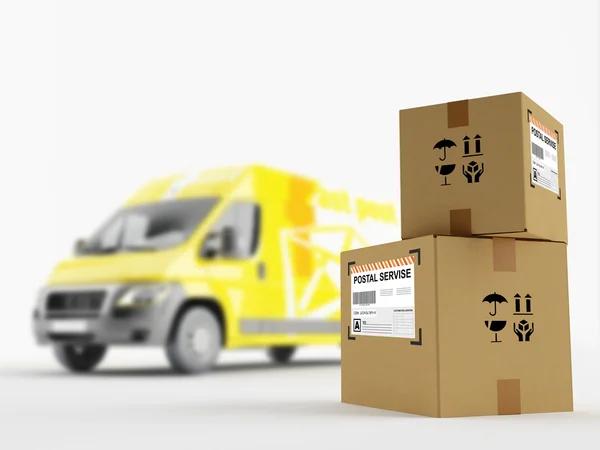
Cross-border freight shipping is a critical component of global business operations, especially for growing companies seeking to expand their market reach. The process involves transporting goods across international borders, which can be complex due to varying regulations, logistical challenges, and cultural differences. However, several factors have made cross-border freight shipping more accessible and efficient for businesses worldwide.
One significant factor is the advancement in technology. Innovations such as blockchain have revolutionized supply chain management by providing secure and transparent transaction records. This technology reduces the risk of fraud and errors while enhancing trust between parties involved in international trade. Additionally, real-time tracking systems allow companies to monitor their shipments throughout the journey, ensuring better control over logistics and enabling quicker response times to any issues that may arise.
The harmonization of trade agreements has also played a crucial role in simplifying cross-border shipping. Free Trade Agreements (FTAs) between countries reduce tariffs and streamline customs procedures, making dig into it easier for companies to move goods internationally. These agreements often include provisions that standardize regulations across member countries, reducing bureaucratic hurdles and fostering smoother transactions.
Moreover, improvements in infrastructure have significantly contributed to easing cross-border freight shipping. Investments in transportation networks such as roads, ports, railways, and airports enhance connectivity between countries. Efficient infrastructure facilitates faster movement of goods by minimizing delays caused by poor road conditions or congested ports. As a result, companies can deliver products more swiftly to international markets.
Logistics service providers specializing in cross-border shipping offer tailored solutions that cater specifically to the needs of growing businesses. These providers possess expertise in navigating complex customs regulations and documentation requirements specific to each country involved in the trade process. By outsourcing logistics tasks to experienced professionals who understand local laws thoroughly ensures compliance with all necessary protocols while allowing firms greater focus on core business activities like production or marketing strategies instead worrying about legalities themselves directly related importing/exporting matters at hand during expansion phases abroad into new territories where they operate now too!
Finally yet importantly enough: collaboration among stakeholders within industry itself plays pivotal part towards achieving seamless transition when dealing foreign partners overseas; this includes partnerships formed amongst manufacturers/suppliers/customers alike alongside government authorities regulating these interactions globally today still ongoing basis ever since inception long ago already established practices continue evolve even further adapting changing demands modern era commerce requires us meet head-on together united front against challenges ahead no matter what might come our way future holds bright potential success awaits those prepared seize opportunities presented them whenever possible without hesitation whatsoever!