

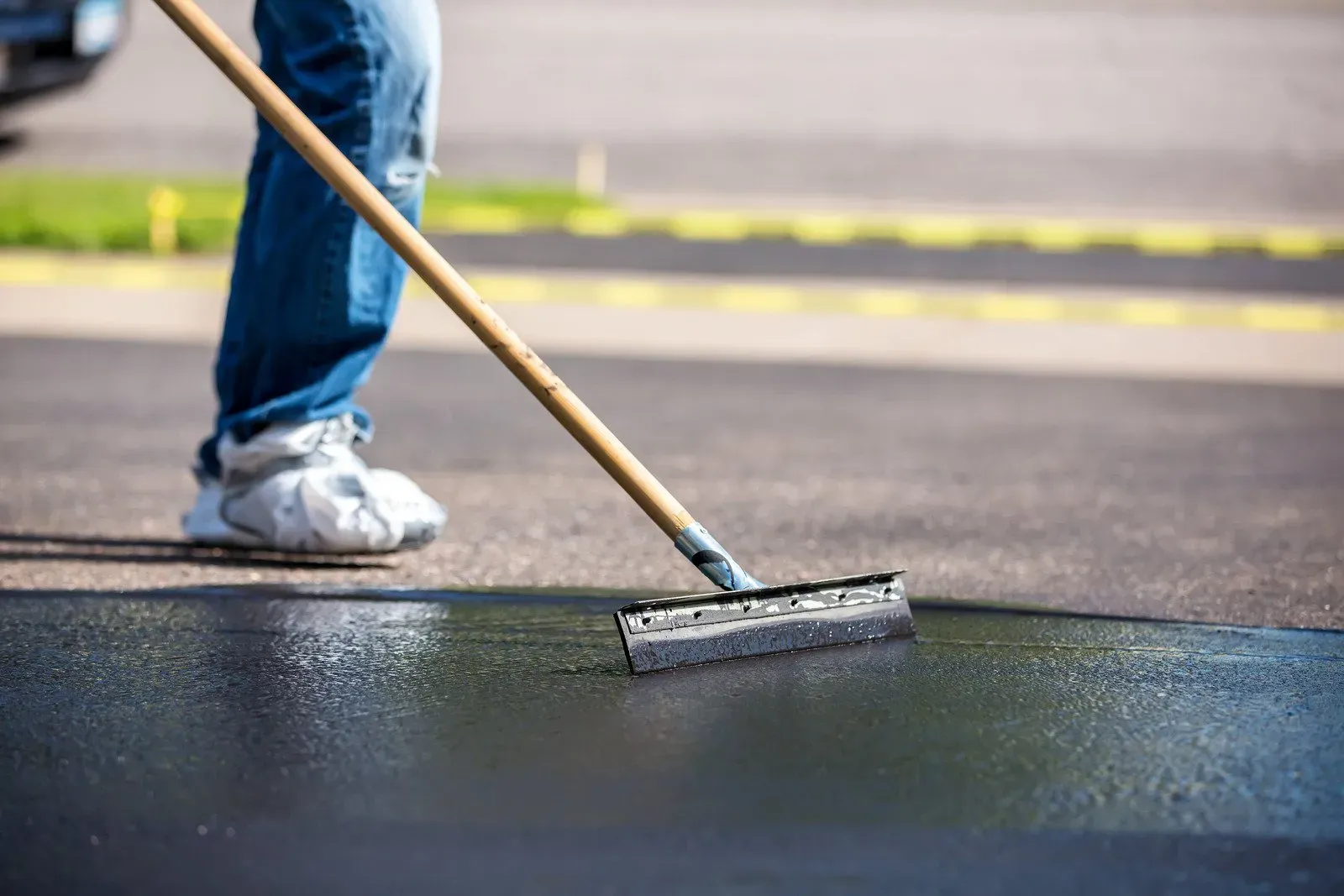
Parking lot resurfacing is an essential maintenance task that helps extend the life of a parking area, improve safety, and enhance curb appeal. However, several cost factors influence the overall expense of resurfacing services. Understanding these elements can help property owners make informed decisions and budget effectively for their projects.
One of the primary factors affecting parking lot resurfacing costs is the size of the area to be treated. Larger lots require more materials, labor, and time to complete, naturally increasing expenses. The square footage directly correlates with how much asphalt or sealant will be needed as well as the number of workers involved in preparation and application processes.
Paving contractor in Annapolis MD
The condition of the existing pavement plays a significant role in pricing. If the surface has numerous cracks, potholes, or extensive damage, additional repair work will be necessary before applying new layers. This may include patching holes or milling off damaged sections to create a smooth base for resurfacing. The more information severe the deterioration, the higher these preparatory costs become.
Material choice also influences overall cost variations. Different types of asphalt mixes are available depending on climate conditions and traffic loads; premium blends designed for durability tend to be more expensive than standard options. Additionally, some projects might incorporate sealcoating or slurry seals as part of maintenance efforts alongside resurfacing which adds another layer of cost consideration.
Labor expenses vary based on location and contractor expertise as well. Regions with higher living costs typically see increased wages for skilled workers involved in paving operations. Hiring experienced contractors who use modern equipment might come at a premium but often results in better quality workmanship that can reduce future maintenance needs.
Accessibility and site logistics impact pricing too. Parking lots located in busy commercial areas may require work during off-hours or weekends to minimize disruption to businesses or residents; this scheduling complexity can increase labor rates due to overtime pay requirements. Limited access points or tight spaces where machinery cannot operate freely may also slow down progress leading to longer project durations.
Environmental regulations must be considered since compliance with local laws regarding runoff management and material disposal can add fees related to permits or specialized handling methods used by contractors.
Finally, seasonal timing affects availability and price fluctuations within resurfacing services markets because demand peaks during warmer months when paving conditions are optimal; booking early can sometimes secure better rates compared to last-minute scheduling during busy periods.
Solid Paving & Concrete
2901 Riva Trace Pkwy #103, Annapolis, MD 21401
301-500-0309