

Noise reduction spray foam insulation offers homeowners an effective solution for minimizing unwanted sounds within their living spaces. This type of insulation not only improves the thermal efficiency of a home but also significantly reduces noise transmission between rooms and from external sources. Understanding how it works and what to expect can help homeowners make informed decisions when considering this upgrade.
Spray foam insulation is applied as a liquid that expands into a foam, filling gaps and crevices in walls, ceilings, and floors. Its dense and flexible nature helps absorb sound waves, preventing them from traveling through structural elements. Unlike traditional fiberglass or cellulose noise reduction spray foam insulation creates a seamless barrier that limits air movement, which is a primary pathway for sound transmission. This feature makes spray foam particularly effective in reducing airborne noise, such as voices, traffic, or music.
There are two main types of spray foam insulation: open-cell and closed-cell. Open-cell spray foam is less dense and more flexible, offering better sound absorption properties because it traps sound waves within its cellular structure. Closed-cell spray foam, on the other hand, is denser and provides superior moisture resistance and structural support but is less effective at sound absorption compared to open-cell foam. Homeowners focused primarily on noise reduction often prefer open-cell spray foam for interior walls and ceilings.
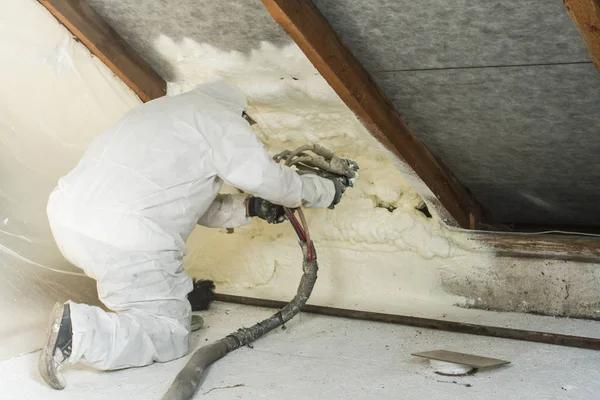
Proper installation is crucial to achieving the desired noise reduction benefits. The foam must be evenly applied and fully cured to form an airtight seal. Any gaps or inconsistencies can compromise its effectiveness. Professional installers use specialized equipment to ensure thorough coverage and adherence to safety standards. Additionally, spray foam insulation can be installed in new construction or retrofit projects, making it a versatile option for different types of homes.
Beyond soundproofing and thermal benefits, spray foam insulation also contributes to improved indoor air quality by reducing drafts and blocking pollutants. It can enhance energy efficiency by maintaining consistent indoor temperatures, which lowers heating and cooling costs. However, it is important to consider that spray foam insulation can be more expensive upfront than traditional insulations, although its long-term advantages often justify the investment.
Before proceeding with spray foam insulation, homeowners should assess their specific noise reduction needs and consult with insulation professionals. Factors such as the source of noise, wall construction, and budget will influence the choice of spray foam type and installation method. With the right approach, spray foam insulation can create a quieter, more comfortable environment that enhances the overall quality of home life.