

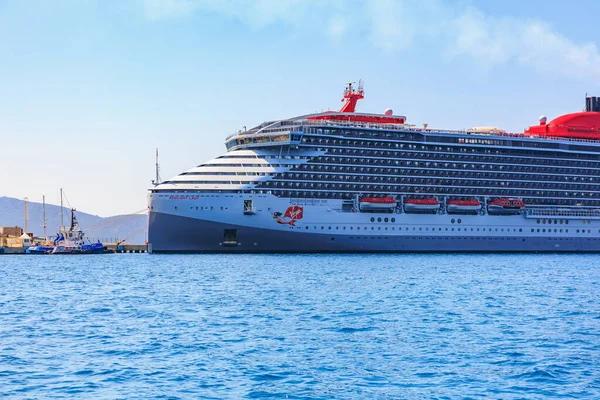
Planning the perfect cruise to Antarctica requires careful consideration and thorough preparation to ensure a safe, enjoyable, and memorable experience. The first step involves choosing the right time to visit, as the Antarctic cruise season typically runs from November to March. This period corresponds to the austral summer when temperatures are relatively milder, and wildlife activity peaks, offering the best opportunities for sightings and exploration. Selecting the appropriate month can influence what you see, with early season visits showcasing more snow and ice, while later trips might present more wildlife and longer daylight hours.
Next, deciding on the type of cruise and itinerary is essential. Cruises vary from luxury liners to expedition vessels, each offering different levels of comfort, amenities, and onboard activities. Expedition cruises tend to focus more on education, with naturalists and experts guiding passengers through lectures and excursions, whereas luxury cruises provide more extravagant accommodations and leisure options. Itineraries may include stops at various locations such as cruise to the antarctic Peninsula, South Georgia, and the Falkland Islands, each offering unique landscapes and wildlife. Researching the specific route and activities included helps tailor the experience to your interests.
Booking well in advance is advisable due to the limited number of vessels allowed in the region and the high demand during the season. Travel insurance that covers medical evacuation and trip cancellation is a crucial investment, considering the remote location and unpredictable weather conditions. Additionally, ensuring your passport and any necessary visas are up to date is important, as cruises to Antarctica often depart from South American ports like Ushuaia, Argentina.
Packing appropriately for the extreme environment is critical. High-quality thermal clothing, waterproof gear, and sturdy boots are necessary to stay warm and dry during landings and excursions. Layering is recommended to adjust to fluctuating temperatures. Many cruise operators provide a packing list, which should be followed closely to avoid missing essential items.
Understanding and respecting the environmental guidelines set by the International Association of Antarctica Tour Operators (IAATO) is vital for preserving this pristine ecosystem. Passengers should be prepared to follow rules regarding wildlife interaction, waste disposal, and landing procedures. Participating in briefings and adhering to these protocols ensures a safe and responsible visit.
In summary, planning a cruise to Antarctica involves selecting the right time and cruise type, booking early, preparing with the correct gear, and respecting environmental regulations. With thoughtful preparation, the journey can become an extraordinary adventure to one of the most remote and breathtaking places on Earth.